

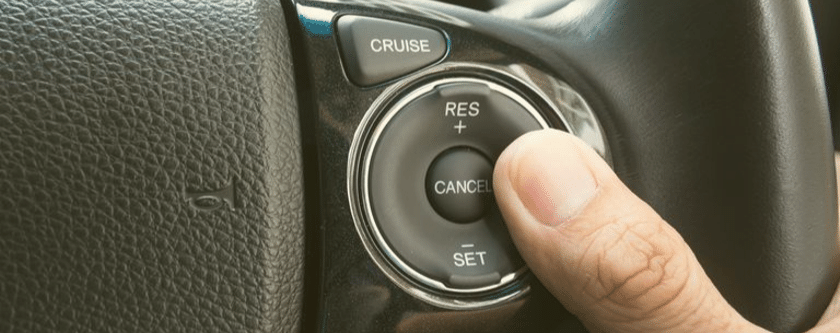
Ever found yourself on a long road trip, your right foot aching from maintaining a constant speed? Maybe you've glanced over at the speedometer one too many times and realized you're creeping way above (or below!) the limit. That’s where that little cruise control button comes in, promising a smoother, more relaxed driving experience. But it's not always the best choice, and using it correctly is key to staying safe and actually seeing the benefits. Let's explore how to make the most of this handy feature and when to pump the brakes on using it.
Getting the Most Out of Your Speed Control
It's understandable why drivers, especially those logging serious mileage, might be interested in using their cruise control system. I remember my dad always swore by it on our family vacations. He'd say it saved him from leg cramps and kept him focused on the scenery. And in a way, he was right. Cruise control, when used properly, can be a real asset.
The basics are simple. Once you're at your desired speed, usually above 25-30 mph (check your car's manual!), you press the "set" button. Your car will then maintain that speed, allowing you to take your foot off the accelerator. Most systems also have "resume" and "cancel" buttons. "Resume" brings you back to your previously set speed after braking or disengaging, while "cancel" simply turns the system off, requiring you to manually control your speed again.
Beyond the basics, it's vital to understand how your specific system handles inclines and declines. Older, simpler cruise control systems might struggle to maintain a consistent speed on hills, leading to annoying fluctuations. Newer, more advanced adaptive cruise control systems use sensors to maintain a set distance from the vehicle ahead of you, automatically adjusting your speed to match the flow of traffic. These systems can even bring your car to a complete stop in some situations, though they are not a substitute for attentive driving. Knowing the capabilities and limitations ofyourcar's system is crucial for safe and effective use.
Using cruise control effectively can lead to some genuine benefits. Consistent speed often translates to better fuel efficiency because you are avoiding sudden accelerations and decelerations that guzzle gas. It can also reduce driver fatigue on long stretches of highway by reducing the physical strain of constantly managing the accelerator. And of course, it can help you maintain a consistent speed, reducing the risk of inadvertently exceeding the speed limit, especially on monotonous roads.
How do I reduce fuel costs without changing cars?
Aside from judicious use of cruise control to maintain steady speeds, there are other things you can do. Gentle acceleration and braking are key, avoiding "jackrabbit" starts. Maintaining proper tire inflation, ensuring your engine is properly tuned, and reducing unnecessary weight in your car can also make a surprising difference. Planning your routes to avoid stop-and-go traffic, when possible, also helps conserve fuel.
Why does tire pressure matter for fuel economy?
Underinflated tires create more rolling resistance, forcing your engine to work harder to maintain speed. This extra effort translates directly into lower gas mileage. Checking your tire pressure regularly and inflating them to the recommended level (usually found on a sticker inside your driver's side door) is a simple and effective way to boost your fuel economy. You might be surprised by how much of an impact it has.
Is buying used better than leasing for budget drivers?
This depends entirely on your individual circumstances and financial goals. Used cars generally have lower monthly payments than leased cars, and you eventually own the vehicle outright. However, used cars may also come with higher maintenance costs and repair bills. Leasing, on the other hand, provides a new car with predictable monthly payments, but you don't own the car at the end of the lease term. It's essential to weigh the pros and cons of each option carefully and consider factors like your budget, driving habits, and long-term financial goals.
Of course, there are times when using cruise control is absolutelynotadvisable. In heavy traffic, for example, where constant speed adjustments are necessary, cruise control can be downright dangerous. The system's reaction time may not be quick enough to respond to sudden changes in traffic flow, potentially leading to accidents. Similarly, in adverse weather conditions like rain, snow, or ice, cruise control should be avoided. Reduced traction makes it difficult for the system to maintain control, and sudden braking or acceleration can cause skidding.
Hilly or winding roads also aren’t ideal for cruise control, especially with older systems. The constant adjustments the system makes to maintain speed can become jerky and uncomfortable. And finally, if you're feeling tired or drowsy, it's best to avoid cruise control altogether. The system can lull you into a false sense of security, reducing your alertness and increasing the risk of an accident. Always prioritize attentive driving, especially when fatigued.
So, as you can see, cruise control is a fantastic tool for making long drives easier, more economical, and less fatiguing. But like any tool, it needs to be used correctly and in appropriate situations. By understanding the basics of how it works, the benefits it offers, and, most importantly, whennotto use it, you can make the most of this feature and enjoy a safer, more comfortable driving experience.