

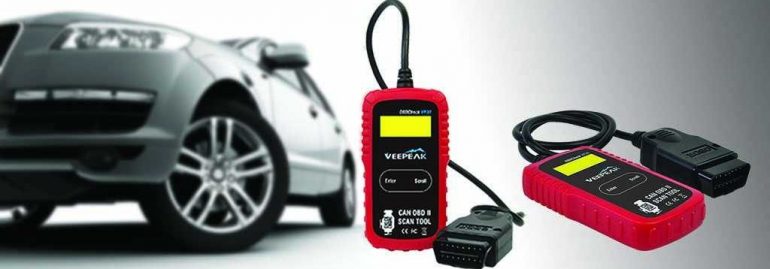
Ever get that sinking feeling when a light pops up on your dashboard? It's usually when you're already running late, or have a packed schedule. A little orange or red icon can instantly add stress to your day, because you know itprobablymeans a trip to the mechanic is in your future. But what if you could peek under the hood—figuratively speaking—and get a head start on diagnosing the problem? That's where an OBD2 scanner comes in. I started using one a couple years ago, and it's saved me a ton of time, money, and aggravation. Let me tell you how I use mine!
My OBD2 Scanner Journey
So, let me set the scene. I'm definitelynota car expert. I can change a tire, jump a battery, and that's about the extent of my mechanical know-how. Before I got my scanner, every little car hiccup meant a trip to the shop, and hoping I wasn’t getting the wool pulled over my eyes with expensive repairs I didn't actually need. I remember one time specifically, my check engine light came on, and the mechanic quoted me hundreds of dollars for a new sensor. Turns out, it was just a loose gas cap! I felt so ripped off, and it made me realize I needed to take a little more control over my car's health.
That's when I started researching OBD2 scanners. They're basically little diagnostic tools that plug into your car's computer and can read trouble codes, giving you an idea of what's going on. They range from very basic models that just display the codes, to more advanced ones that offer real-time data, graphing, and even the ability to clear codes (though use that feature with caution!).
Now, I’m not suggesting you become your own mechanic overnight, or even that you try to fix everything yourself. What Iamsaying is that having this tool gives you valuable information to go into the repair shop armed with. Think of it like this: if you go to the doctor without knowing anything about your symptoms, you're relying solely on their expertise. But if you've done a little research and can explain what you're feeling, you're better equipped to have a productive conversation and understand the diagnosis. It’s the same thing with your car.
The biggest benefit for me has been catching small problems before they become big ones. For example, I recently got a code related to my oxygen sensor. It wasn't causing any noticeable performance issues, but knowing about it allowed me to research the problem, understand the potential consequences of ignoring it (like reduced fuel efficiency or damage to my catalytic converter), and get it fixed before it turned into a major repair. This really helped my car's fuel consumption rate, and kept me from spending a fortune to fix worse damage in the future.
Using the scanner is surprisingly easy. Most cars manufactured after 1996 have a standardized OBD2 port, usually located under the dashboard near the steering column. You simply plug the scanner into the port, turn on your car's ignition (but don't start the engine), and follow the scanner's instructions. Most scanners will guide you through the process of reading the codes and providing a brief description of what they mean.
Remember, the code is just a starting point. It's not a definitive diagnosis. Think of it as a clue. You'll still need to do some research to understand what the code means in the context of your specific car and driving habits. There are tons of online resources, forums, and even You Tube videos that can help you decipher the codes and understand the potential causes and solutions.
Of course, sometimes the codeispretty straightforward. Like that loose gas cap I mentioned earlier! But even when the issue is more complex, the scanner gives you the power to ask informed questions, get second opinions, and make sure you're not being taken for a ride.
Now that I have my own, I feel more confident and knowledgeable about my car's health. It's not about replacing a mechanic, it’s about enhancing our communication. And that can translate into saving money and avoiding stressful, unexpected repairs.
How do I reduce fuel costs without changing cars?
This is a great question, and one that I've been thinking about a lot lately with the ever-fluctuating prices at the pump. As I mentioned before, addressing small issues detected by my OBD2 scanner has definitely helped. For instance, keeping an eye on those oxygen sensor readings can alert you to inefficiencies in your engine's combustion process, which directly impacts fuel economy. Regular maintenance, like air filter replacements and spark plug checks, are also crucial. A clogged air filter restricts airflow to the engine, forcing it to work harder and burn more fuel. Similarly, worn spark plugs can lead to incomplete combustion, wasting fuel and reducing power. I make sure to monitor the performance of these using my OBD2 scanner to stay on top of my gas expenses.
Beyond that, simple driving habits can make a big difference. Avoid aggressive acceleration and braking, maintain a steady speed on the highway, and try to anticipate traffic flow to minimize unnecessary stops and starts. Proper tire inflation also plays a role. Underinflated tires create more rolling resistance, which forces the engine to work harder and consume more fuel.
Finally, consider reducing the amount of weight you're carrying in your car. Extra cargo adds to the engine's workload and decreases fuel efficiency. Removing unnecessary items from your trunk can make a noticeable difference over time. Small consistent improvements will ultimately save you money in the long run.
Why does tire pressure matter for fuel economy?
Tire pressure matters alotmore than most people realize. Think of it like riding a bicycle with flat tires. It's much harder to pedal because the tires have more contact with the road, creating more friction. The same principle applies to your car.
When your tires are underinflated, they deform more easily as they roll, increasing the contact area with the road. This increased contact creates more rolling resistance, which requires your engine to exert more power to maintain your speed. That extra effort translates directly into higher fuel consumption.
In fact, the U.S. Department of Energy estimates that for every 1 PSI (pound per square inch) drop in tire pressure, your fuel economy decreases by about 0.3%. That may not sound like much, but it adds up quickly, especially if all four of your tires are underinflated by several PSI.
Maintaining proper tire pressure not only improves fuel economy, but it also extends the life of your tires. Underinflated tires wear out faster, particularly along the edges. Additionally, properly inflated tires provide better handling and braking performance, improving your overall safety.
You can find the recommended tire pressure for your car on a sticker located on the driver's side doorjamb or in your owner's manual. It's important to check your tire pressure regularly, ideally at least once a month, and especially before long trips. A simple tire pressure gauge is an inexpensive tool that can save you money and improve your safety.
Ultimately, using an OBD2 scanner, along with these small fixes I've mentioned, can help you catch even the slightest malfunction that can impact your fuel efficiency.
Ultimately, using an OBD2 scanner, along with the small fixes I've mentioned, can help you catch even the slightest malfunction that can impact your fuel efficiency.
So, that's how I use my OBD2 scanner. It's not about becoming a certified mechanic, but more about understanding my car a little better and catching potential problems early on. It gives me peace of mind knowing that I'm not completely in the dark when it comes to my car's health, and that I have a tool that can help me save money and avoid unnecessary repairs. Maybe it's something you might find useful too!