

Ever get that slightly stale or dusty smell when you first turn on your car's AC or heater? Or maybe you've noticed your allergies seem to flare up more when you're driving, even with the windows closed? It’s easy to dismiss these little things, but they could be signals that something’s amiss with a part of your car you probably don’t think about very often. A lot of us focus on engine oil, tire rotations, and maybe even the windshield wipers... but there's another filter working hard to keep you comfortable and breathing easy behind the wheel. It's responsible for cleaning the air that circulates inside your vehicle, and its impact on your driving experience can be surprisingly significant.
Why Your Car's Air Quality Deserves Your Attention
Picture this: you're stuck in traffic on a hot summer day, exhaust fumes are swirling all around, and pollen is at its peak. Without a functioning cabin air filter, all those pollutants would be drawn directly into your car's ventilation system and blasted right into your face. Not exactly a pleasant scenario, right? This filter is your front-line defense against outside irritants and even some microscopic contaminants.
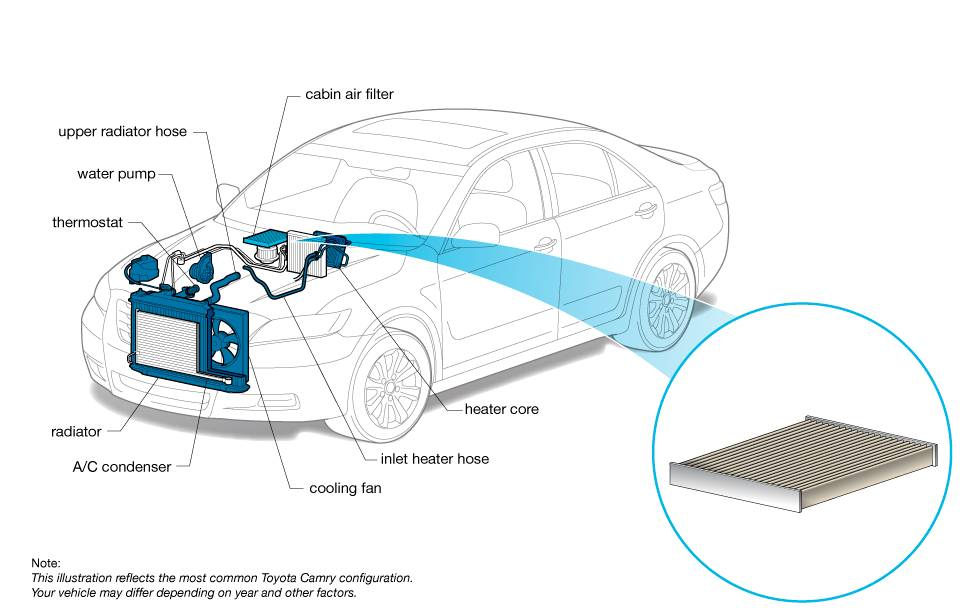
The cabin air filter, sometimes called an AC filter, is usually located behind the glove compartment or under the dashboard. Its job is simple: to trap dust, pollen, mold spores, exhaust particles, and other debris before they enter the passenger compartment. Over time, the filter becomes clogged with these contaminants, reducing its effectiveness and potentially impacting your vehicle's overall performance.
Think of it like the air filter in your home’s HVAC system. If you never change it, your system has to work harder to circulate air, which can lead to higher energy bills and even damage to the unit. The same principle applies to your car. A clogged cabin filter restricts airflow, potentially straining your vehicle's blower motor and reducing the efficiency of your air conditioning and heating systems. You might find your car takes longer to cool down or heat up, or that the airflow is weaker than it used to be.
Replacing the cabin air filter is usually a simple and inexpensive maintenance task that can have a noticeable impact on your driving experience. Many auto parts stores sell replacement filters, and some are even designed to be more effective at trapping allergens and odors. You can often find tutorials online that walk you through the replacement process, which usually involves removing a few screws or clips and sliding the old filter out and the new one in. If you're not comfortable doing it yourself, any reputable mechanic can handle the job quickly and affordably.
How often should I replace my car’s cabin air filter?
The recommended replacement interval varies depending on your driving conditions and the type of filter you're using. However, a good rule of thumb is to replace it every 12,000 to 15,000 miles, or about once a year. If you live in an area with high levels of air pollution, frequent dust storms, or heavy pollen, you might want to consider replacing it more often. Similarly, if you have allergies or respiratory problems, a clean cabin air filter can make a big difference in your comfort level.
Another sign that it's time for a new filter is a musty or unpleasant odor coming from your vents. This can indicate that the filter is harboring mold or bacteria. You might also notice that your windows fog up more easily, or that your AC isn't blowing as cold as it used to.
While some people think of it as strictly an air conditioning filter, the cabin air filter works year-round. In the winter, it helps keep out road salt, dirt, and other debris that can be kicked up by passing vehicles. It also helps prevent these particles from accumulating on your car's dashboard and interior surfaces. By keeping the air inside your car cleaner, the filter can also contribute to a healthier and more pleasant driving environment for you and your passengers.
Why is my car AC blowing hot air after a recharge?
If your car’s AC is blowing hot air even after a recharge, several factors might be at play. It’s definitely frustrating! While a low refrigerant level is a common cause, it’s not the only possibility.
A clogged cabin air filter can restrict airflow across the evaporator core, preventing the AC system from effectively cooling the air. Imagine trying to blow through a straw that's packed with cotton – you wouldn't get much air through, right? Similarly, a dirty filter limits the amount of air that can pass through the AC system, resulting in warmer air coming from the vents.
Other potential causes include a faulty compressor, a malfunctioning blend air door (which mixes hot and cold air), or a leak in the refrigerant lines. It’s generally best to have a qualified technician diagnose the problem to pinpoint the exact cause and recommend the appropriate solution. Don’t just keep adding refrigerant without knowing the root cause, as that can sometimes lead to more expensive repairs down the road.
Can a dirty cabin air filter affect gas mileage?
While the primary function of the cabin air filter is to clean the air entering your vehicle's interior, a severely clogged filtercanindirectly impact your fuel economy, albeit usually in a very minor way.
A restricted cabin air filter reduces airflow to the blower motor, which is responsible for circulating air through the AC and heating systems. To compensate for the reduced airflow, the blower motor has to work harder, drawing more power from the vehicle's electrical system. This increased electrical load can put a slight strain on the engine, which might translate to a marginal decrease in fuel efficiency. The effect, however, is usually negligible compared to other factors that affect gas mileage, such as driving habits, tire pressure, and vehicle maintenance.
The engine air filter plays a far more significant role in gas mileage because it directly impacts engine performance. A clean engine air filter ensures that the engine receives an adequate supply of clean air for combustion, which is essential for optimal fuel efficiency. A clogged engine air filter can restrict airflow to the engine, causing it to work harder and consume more fuel.
So, while a dirty cabin air filter probably won't cause a dramatic drop in your MPG, replacing it regularly is still a good idea for maintaining optimal air quality and overall vehicle performance.
Ultimately, taking care of your vehicle’s air filtration system is a small detail with a big potential impact. A new filter promotes better airflow, potentially improving the efficiency of your heating and cooling. Most importantly, a clean filter provides a noticeably fresher, cleaner environment.
Think about the air you breathe inside your car every day. Isn't it worth ensuring it's as clean as possible? Maybe take a quick look at your service records or check your owner’s manual and make a mental note to check or replace the cabin air filter soon. It's a simple step that can make a real difference to your driving experience. And who knows, it might just keep those pesky allergies at bay!