

Ever find yourself staring at your car tires, wondering if they're just "looking a little worn" or if they're actually screaming for replacement? It's one of those car maintenance mysteries that can feel a bit overwhelming. You’re cruising down the road, maybe thinking about the upcoming family vacation, or even just your daily commute, and that little voice in the back of your head pipes up: "Are my tires safe?" Don't worry, you're not alone. It's a common concern for drivers everywhere. We all want to be safe and prepared, but understanding tire wear and knowing when it's time for new ones doesn't have to be a complicated ordeal. Let's get into how to spot those signs.
How Can I Tell If My Tires Are Worn Out?
Let’s imagine a scenario. You bought your current set of tires a few years ago. They seemed like a good deal at the time, and honestly, you haven't paid much attention to them since. Life gets busy! But recently, you've noticed your car doesn't handle quite as well in the rain, and the ride feels a bit bumpier than usual. It could be a number of things, but your tires are a great place to start looking for answers.
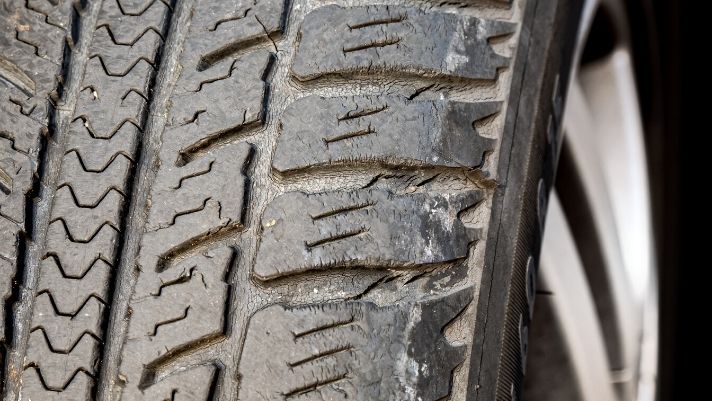
The most obvious sign is tread depth. Most tires have tread wear indicator bars molded into the grooves. These bars are subtle ridges of rubber that run across the tread pattern. When the tread wears down to the same level as these bars, it means your tires are legally and practically worn out. They no longer have sufficient tread to grip the road effectively, especially in wet or snowy conditions. A simple way to double-check, even if your tires don't show the indicator bars clearly, is the "penny test". Insert a penny into the tread groove with Lincoln's head facing down. If you can see the top of Lincoln's head, your tread is shallower than 2/32 of an inch, and it's time to replace those tires.
Beyond tread depth, look for other signs of wear and damage. Check the sidewalls for cracks, bulges, or cuts. These can indicate structural damage that could lead to a blowout. Also, pay attention to any unusual vibrations or noises while driving. A persistent vibration, especially at higher speeds, could be a sign of tire imbalance, damage to the tire's internal structure, or even a wheel issue. Uneven wear patterns can also tell a story. If the center of the tire is worn more than the edges, it could indicate overinflation. If the edges are worn more than the center, it could indicate underinflation. Wear on just one side of the tire could indicate alignment issues. Understanding these wear patterns can help you diagnose potential problems and address them before they become more serious and costly.
Replacing tires might seem like an expense, but it's an investment in your safety and the safety of others on the road. New tires provide better grip, handling, and braking performance, especially in challenging weather conditions. This translates to shorter stopping distances, improved control in turns, and reduced risk of hydroplaning. By replacing your tires when they're worn out, you're ensuring that your car can perform as it was designed to, helping you avoid accidents and stay safe on the road. Plus, new tires often improve fuel efficiency and ride comfort, making your driving experience more enjoyable overall.
How does tire pressure affect the life of my tires?
Maintaining proper tire inflation pressure is crucial for maximizing tire life and ensuring optimal performance. Underinflated tires tend to wear out more quickly on the edges because more of the tire surface is in contact with the road. This increased friction also generates more heat, which can damage the tire's internal structure. Overinflated tires, on the other hand, tend to wear out more quickly in the center because the contact patch is concentrated in that area. Regularly checking and adjusting your tire pressure to the manufacturer's recommended level can help ensure even wear, extend the life of your tires, and improve fuel efficiency. You can usually find the recommended tire pressure on a sticker inside your driver's side doorjamb or in your owner's manual. Remember to check your tire pressure when the tires are cold, as the pressure will increase as the tires warm up during driving.
Is it better to replace all four tires at once?
Ideally, yes, it's generally better to replace all four tires at once, especially if you have an all-wheel-drive vehicle. All-wheel-drive systems rely on all four tires having the same circumference to function properly. If the tires have significantly different tread depths, it can cause the all-wheel-drive system to work harder and potentially damage its components. Even on front-wheel-drive or rear-wheel-drive vehicles, replacing all four tires can improve handling and stability, especially in wet or slippery conditions. If you can only afford to replace two tires, it's generally recommended to put the new tires on the rear axle. This will help prevent oversteer, which can be more difficult to control than understeer, particularly in emergency situations. However, if your existing tires are relatively new and have plenty of tread left, replacing just one or two tires might be a reasonable option.
How often should I get my tires rotated?
Regular tire rotations help ensure even wear across all four tires, extending their lifespan and improving overall handling. Tire rotation involves moving the tires from one position on the vehicle to another, typically following a specific pattern (e.g., front to back, side to side). The recommended rotation interval varies depending on the vehicle and tire type, but a good rule of thumb is to rotate your tires every 5,000 to 8,000 miles, or about every six months. Consult your owner's manual or a tire professional for specific recommendations for your vehicle. Tire rotations are usually a relatively inexpensive service, and they can save you money in the long run by preventing premature tire wear and ensuring that all four tires wear out at approximately the same time.
So, there you have it. Spotting worn tires doesn't require any special skills, just a little bit of observation and maybe a penny! Paying attention to your tires and replacing them when needed is a crucial part of responsible car ownership. The peace of mind that comes with knowing you're driving on safe, reliable tires is truly invaluable. Next time you're washing your car or just walking by, take a quick peek at your tires. You might be surprised at what they're trying to tell you.